

Japan Employment Guide | Key Hiring, Compensation, and Compliance Considerations
Japan Employment Guide | Key Hiring, Compensation, and Compliance Considerations
employment guide, key hiring compensation, Japan payroll, sailglobal
Check recruitment costs
Currency
Japanese Yen (JPY)
Capital
Tokyo
Official language
Japanese
Salary Cycle
Monthly
Our Guide in Japan
Browse the following tags to learn all about Japan
Hiring employees in Japan requires businesses to understand local regulations and establish a clear implementation path to ensure compliant employment. As part of its Japan Employment Guide, sailglobal will continue updating its Global Employment Guide series, bringing together country-specific recruitment channels, compensation and benefits practices, and key Japan employment law and Japan Labour Laws considerations to help companies achieve more efficient and compliant Workforce Expansion in Japan. Companies expanding into Japan should also understand Japan minimum wage requirements, statutory benefits, payroll obligations, and employment contract standards to support sustainable business growth.
In recent years, Japan has continued investing heavily in digital transformation, artificial intelligence, and semiconductor supply chains, making it increasingly attractive to foreign businesses, especially technology and service companies. With a Japan population of more than 120 million, a highly skilled workforce, and strong consumer purchasing power, the country offers significant opportunities across multiple industries. Although Japan weather varies across regions and seasons, businesses should focus on regional labor market conditions, workforce availability, and local employment practices when planning expansion. As international companies establish or expand their presence, maintaining compliance with Japan employment law, Japan Labour Laws, Japan Employment Standards, and Japan Payroll Compliance becomes increasingly important. Businesses without a local entity may also consider leveraging an Employer of Record (EOR) Japan solution to streamline compliant hiring, payroll management, and workforce administration.
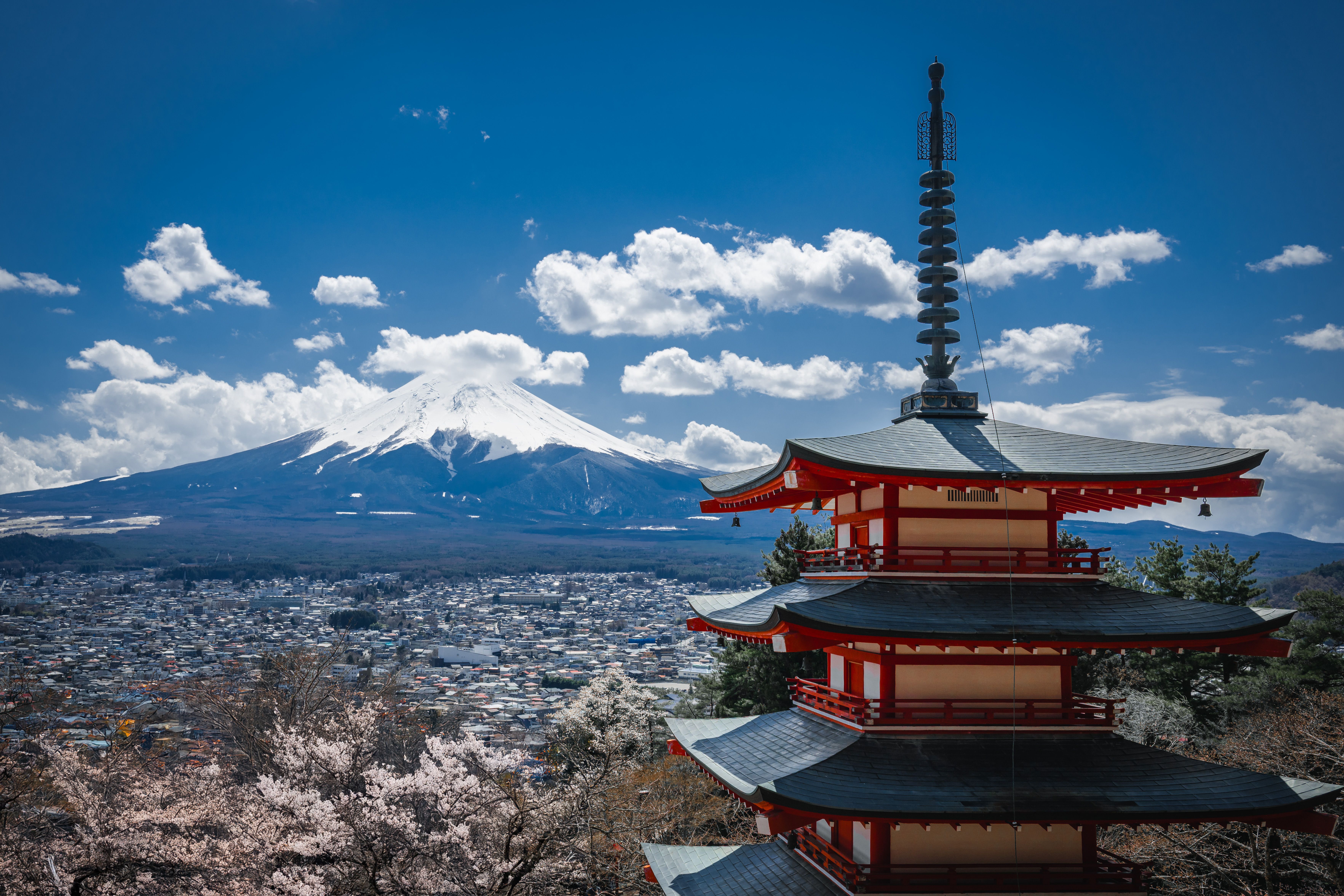
Japan Overview & Key Cities for Chinese Companies
Basic Information
Japan covers approximately 378,000 square kilometers and consists of the four main islands of Hokkaido, Honshu, Shikoku, and Kyushu, along with more than 6,800 smaller islands, making it one of East Asia's major island nations.
According to 2025 statistics, Japan's population is approximately 123 million. Although the country's population is gradually declining, it still possesses a highly urbanized economy and a mature consumer market.
Japan's economy is driven by manufacturing, services, high technology, and research and development. Industries such as automobiles, electronics, machinery, precision instruments, pharmaceuticals, and information technology remain globally competitive. Meanwhile, financial services, retail, logistics, and professional services also play significant roles in the economy.
Japanese is the country's official language and the primary language used in business and everyday life. The legal currency is the Japanese Yen (JPY), one of the world's major reserve currencies and an important currency in international trade and finance.
Key Cities in Japan
Tokyo
Tokyo is Japan's capital and one of the world's leading financial, commercial, and innovation centers. Home to numerous multinational corporations, financial institutions, and technology companies, Tokyo is the country's most active economic region and a preferred destination for businesses entering the Japanese market and recruiting highly skilled talent. Reflecting the diversity of Japan weather, Tokyo experiences four distinct seasons, with hot, humid summers and cool, generally mild winters, making it a comfortable location for year-round business operations.
Osaka
Osaka is the largest economic center in western Japan, with a long commercial history and a strong industrial foundation. It plays an important role in consumption, retail, trade, and manufacturing. Many headquarters in the Kansai region are based in Osaka, making it an important gateway connecting domestic and international markets. As part of Japan weather patterns, Osaka has a humid subtropical climate with hot summers, mild winters, and moderate rainfall throughout the year, creating favorable conditions for business and daily life.
Nagoya
Nagoya is one of Japan's major industrial hubs and is particularly renowned for automotive manufacturing, machinery, and precision engineering. The concentration of advanced manufacturing industries has made Nagoya and its surrounding areas a core part of Japan's industrial supply chain. Typical of central Japan weather, Nagoya experiences four distinct seasons, with hot summers, cool winters, and a relatively balanced climate that supports year-round industrial and commercial activities.
Key Industries in Japan for Chinese Companies
Japan attracts Chinese companies because of its large and mature consumer market, stable and transparent business environment, strong brand premium, advanced technology, and highly skilled workforce. As the world's third-largest economy, Japan provides a solid legal framework and sophisticated industrial ecosystem for long-term business development.
Chinese companies in Japan are commonly active in:
- Cross-border e-commerce, supported by advanced logistics and stable consumer demand.
- IT and software services, benefiting from Japan's digital transformation and increasing demand for technology talent.
- Manufacturing, leveraging Japan's mature supply chains and technical expertise.
- Food & beverage and retail, serving increasingly diverse consumer preferences through localized operations.
Before Hiring in Japan
Employment Contracts and Probation
Japanese law does not require employers to sign a formal written employment contract. However, employers must provide employees with a Written Notice of Working Conditions, outlining the key terms of employment.
The notice typically includes:
- Job title and responsibilities.
- Working hours and overtime arrangements.
- Rest periods and leave policies.
- Salary, allowances, bonuses, payment methods, and payroll dates.
- Primary work location.
- Conditions and procedures for termination.
Probation Period
Japanese law does not mandate probation periods, but companies commonly adopt probation periods of three to six months.
Although termination during probation is generally more flexible, employers must still have objective and reasonable grounds, such as clear inability to perform the role. Excessively long probation periods or abusive use of probationary dismissals may be deemed invalid by Japanese courts.
Japan Payroll and Social Security Compliance
Employer Costs: Five Major Social Insurance Programs
Minimum wages in Japan are set by each prefecture and adjusted periodically.
Beginning in October 2025, all prefectures will have minimum wages exceeding JPY 1,000 per hour. In Tokyo, the minimum wage has increased to JPY 1,226 per hour.
Employers should ensure compliance with the applicable regional minimum wage.
Social Insurance Costs
Employer social insurance contributions generally represent approximately 15%–17% of employee compensation, depending on location, industry, and contribution rates.
Japan's statutory social insurance system includes:
Health Insurance
Covers medical expenses. Employees typically pay around 30% of medical costs, while the insurance system covers the remainder.
Employees' Pension Insurance (Kosei Nenkin)
Provides retirement benefits and is a major component of Japan's pension system.
Employment Insurance
Provides unemployment benefits and employment support.
Workers' Accident Compensation Insurance
Covers occupational injuries and commuting accidents. Contributions are generally paid entirely by employers.
Childcare Contribution
Supports government family and childcare programs.
Mandatory Health Examinations
Employers are also required to provide statutory health examinations to employees. Costs are generally borne by the employer and should be included in workforce budgeting.
Individual Income Tax
Japan operates a progressive income tax system with rates ranging from 5% to 45%.
Employees are also generally subject to:
- Resident Tax
- Special Reconstruction Income Tax
Actual tax burdens depend on factors including:
- Marital status.
- Dependents and children.
- Social insurance contributions.
- Various deductions and tax credits.
Employers must consider these factors when calculating payroll withholding.
Working Hours and Leave
Standard Working Hours
Japan's legal working hours are:
- 8 hours per day
- 40 hours per week
Most companies operate Monday through Friday, although schedules vary by industry.
Employers are required to maintain accurate attendance and overtime records.
Rest Periods
Employees must receive:
- At least 45 minutes of rest after more than six hours of work.
- At least one hour of rest after more than eight hours of work.
These breaks must be freely available to employees.
Overtime
Employers generally must conclude a 36 Agreement (Saburoku Agreement) with employee representatives or unions before requiring overtime.
Standard Overtime Limits
- 45 hours per month.
- 360 hours per year.
In exceptional circumstances:
- Maximum annual overtime: 720 hours.
- Monthly overtime (including holiday work) must remain below 100 hours.
- Average overtime over multiple months must not exceed 80 hours.
Since 2024, industries previously granted transitional measures, including construction, transportation, and healthcare, have gradually become subject to overtime caps.
Overtime Premiums
Type | Minimum Premium |
Regular overtime | 125% |
Overtime exceeding 60 hours/month | 150% |
Work on statutory rest days | 135% |
Leave Policies
Annual Leave
Employees become eligible for paid annual leave after:
- Six months of employment.
- Attendance rate of at least 80%.
Employees receive:
- 10 days after six months.
- Gradually increasing entitlements.
- Up to 20 days after 6 years and 6 months of continuous service.
Unused leave may generally be carried forward for up to two years.
Employers are legally obligated to ensure employees take at least five days of paid leave annually.
Public Holidays
Japan has approximately 16 national public holidays, including:
- New Year's Day.
- Coming of Age Day.
- National Foundation Day.
- Emperor's Birthday.
Actual company holiday arrangements may vary.
Maternity and Childcare Leave
Japan provides extensive statutory family benefits.
Maternity Leave
Female employees are generally entitled to:
- 6 weeks before childbirth.
- 8 weeks after childbirth.
Eligible employees may receive maternity benefits equivalent to roughly two-thirds of salary.
Childcare Leave
Eligible employees may receive:
- Approximately 67% of salary during the first six months.
- Approximately 50% thereafter.
These benefits are primarily funded through the social insurance system.
Recommended Recruitment Channels
Platform | Typical Use |
LinkedIn | Multinational companies and senior positions |
Indeed Japan | Mainstream job board |
Wantedly | Technology and internet positions |
Recruit | Major domestic recruitment platform |
Termination and Compliance
Dismissal Rules
Japan maintains strict employment protection standards.
Unlike at-will employment jurisdictions, employers cannot terminate employees without objectively reasonable and socially acceptable grounds.
Common valid reasons may include:
- Serious misconduct.
- Long-term poor performance.
- Genuine business difficulties.
- Inability to perform job duties.
Improper dismissals may be declared invalid, potentially requiring reinstatement or compensation.
Notice Requirements
Employers must provide:
- 30 days' notice, or
- Payment in lieu equal to 30 days' wages.
Employers should maintain documentation supporting termination decisions, including:
- Performance reviews.
- Warning letters.
- Communication records.
- Evidence of improvement opportunities provided.
Employees should also be given a fair opportunity to explain their position.
Performance-Based Dismissal
Japanese courts generally expect employers to demonstrate that they have:
- Identified performance issues.
- Provided feedback and warnings.
- Implemented a Performance Improvement Plan (PIP).
- Offered training or support.
- Considered reassignment or alternative positions.
Only after these steps have been exhausted is unilateral dismissal more likely to withstand legal scrutiny.
Severance
Japan does not impose a statutory severance pay requirement.
However, employers commonly offer severance packages in cases involving:
- Mutual separation agreements.
- Workforce reductions.
- Potentially contentious dismissals.
Compensation amounts are typically determined based on:
- Length of service.
- Position level.
- Circumstances of departure.
- Negotiated terms.
Unused paid leave is commonly cashed out upon termination, although treatment may vary depending on company policy and contractual arrangements.
Foreign Employee Compliance
Hiring foreign employees in Japan involves both labor law compliance and immigration compliance.
Work Authorization
Foreign employees must possess a valid residence status (work visa). Employers should verify:
- Residence card information.
- Permitted activities.
- Visa expiration dates.
Job Scope Must Match Visa Category
Employees must only perform activities permitted under their immigration status. Unauthorized work outside the approved scope may expose both employees and employers to legal liability.
Ongoing Visa Management
Companies should establish systems to monitor:
- Visa expiry dates.
- Renewals.
- Changes of status.
- Permanent residence applications.
Equal Employment Protection
Foreign employees are protected by Japanese labor laws to the same extent as Japanese nationals. Employers may not discriminate based solely on nationality regarding:
- Compensation.
- Working conditions.
- Labor rights.
- Termination procedures.
Key Takeaway
Managing foreign employees in Japan requires ensuring:
- Valid work authorization.
- Alignment between job duties and visa categories.
- Continuous labor and immigration compliance.
Strong internal procedures and proactive compliance management are essential for minimizing employment and immigration risks.
Need support with hiring, EOR services, or employment compliance in Japan? sailglobal provides end-to-end global HR solutions to help companies recruit and employ talent compliantly in Japan and around the world.
Disclaimer
The information and opinions provided are for reference only and do not constitute legal, tax, or other professional advice. sailglobal strives to ensure the accuracy and timeliness of the content; however, due to potential changes in industry standards and legal regulations, sailglobal cannot guarantee that the information is always fully up-to-date or accurate. Please carefully evaluate before making any decisions. sailglobal shall not be held liable for any direct or indirect losses arising from the use of this content.

Hire easily in Japan
Use the employee cost calculator to estimate employer-side totals, management fees, and employment burden by country and salary—run payroll-style numbers before you sign or pay, so global hiring stays predictable.