

Uzbekistan Employment Guide | A Practical Overview of Recruitment, Compensation, and Compliance
Uzbekistan Employment Guide | A Practical Overview of Recruitment, Compensation, and Compliance
Uzbekistan Employment Guide, Uzebekistan Recruitment, Uzbekistan EOR
Check recruitment costs
Currency
Uzbekistani som (UZS)
Capital
Tashkent
Official language
Uzbek
Salary Cycle
Monthly
Our Guide in Uzbekistan
Browse the following tags to learn all about Uzbekistan
When hiring internationally, understanding local regulations and establishing a clear operational framework are essential foundations for compliant employment. As part of its Uzbekistan Employment Guide, sailglobal will continue updating its Global Employment Guide series, bringing together key insights on recruitment channels, compensation and benefits, Uzbekistan Employment Law, and Employment Compliance in Uzbekistan requirements across different countries. Our goal is to help businesses achieve more efficient and compliant Workforce Expansion in Uzbekistan and other international markets as they grow globally.
Uzbekistan is strategically located in the heart of Central Asia, serving as an important gateway connecting Europe, China, Russia, and South Asia. Its geographic position gives it significant strategic importance and a key role in regional trade and connectivity initiatives. For companies considering Hiring Employees in Uzbekistan, understanding the country's business environment, labor market, and Uzbekistan Labor Laws is an important first step toward successful market entry.
According to 2025 data from the International Monetary Fund (IMF), Uzbekistan has a population of approximately 37.7 million and a GDP per capita of around USD 3,510, making it the most populous country in Central Asia. In recent years, Uzbekistan has continued to implement economic reforms and open-market policies while actively attracting foreign direct investment (FDI). These developments have created new opportunities for international employers seeking long-term growth, talent acquisition, and sustainable Workforce Expansion in Uzbekistan. As businesses establish local operations, maintaining compliance with Uzbekistan Employment Standards, Uzbekistan Payroll Compliance, and broader employment regulations will be essential. Companies that do not have a local legal entity may also consider using an Employer of Record (EOR) Uzbekistan solution to support compliant hiring and workforce management.
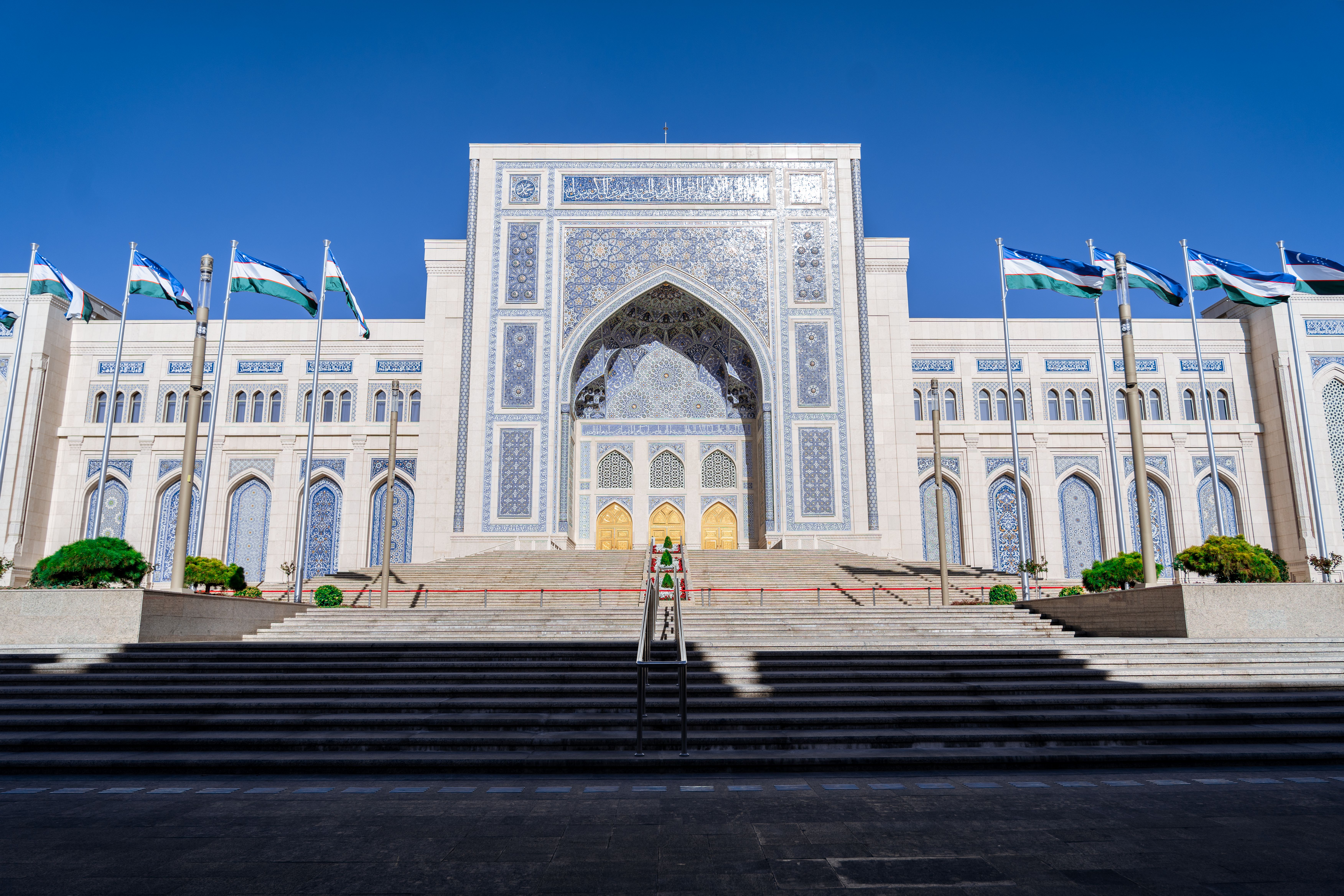
Uzbekistan Overview & Key Cities for Chinese Businesses
Basic Information
Uzbekistan covers approximately 449,000 square kilometers and is one of the most populous countries in Central Asia.
Its economy is driven by several major sectors, including:
- Energy development
- Mining and natural resources
- Agricultural processing
- Textile manufacturing
- Infrastructure development
As economic reforms and digital transformation continue, industries such as information technology, software outsourcing, and cross-border services have experienced rapid growth and are becoming increasingly attractive to international investors.
Language and Currency
- Official Language: Uzbek
- Widely Used Business Language: Russian
- Growing Professional Language: English
- Currency: Uzbekistani Som (UZS)
While Uzbek is the official language, Russian remains widely used in business and international trade. English proficiency is steadily increasing among younger professionals, multinational companies, and the IT sector.
Key Cities
Tashkent
Tashkent is the capital and the country's primary political, economic, financial, and transportation hub.
Most government agencies, major corporations, international organizations, and foreign-invested enterprises are based here, making it the primary destination for business investment, branch establishment, and talent acquisition.
Samarkand, Bukhara, and Andijan
Beyond Tashkent, several cities play important roles in the country's economy and industrial development.
Samarkand and Bukhara are renowned historical and cultural centers while also serving as important hubs for tourism, trade, and services.
Andijan, located in eastern Uzbekistan, is a major industrial and commercial center with strong capabilities in:
- Manufacturing
- Agricultural processing
- Cross-border trade
Together, these cities form Uzbekistan's key economic and industrial network.
Key Areas of Focus for Chinese Companies
For Chinese businesses entering Uzbekistan, investment activity is increasingly concentrated in the digital economy and related sectors.
Supported by government incentives for technology development and relatively competitive labor and operating costs, many companies are establishing operations in:
- Software development
- IT services
- Digital outsourcing
- Technology support functions
Strategic Advantages
From an investment and business expansion perspective, Uzbekistan offers several advantages.
Strategic Location
As an important participant in the Belt and Road Initiative, Uzbekistan's central position in Central Asia provides strong advantages in:
- Regional trade
- Logistics and transportation
- Cross-border cooperation
This creates favorable conditions for companies seeking to expand into Central Asian and neighboring markets.
Improving Business Environment
In recent years, Uzbekistan has continued to modernize its economy and business environment through:
- Currency liberalization
- Improved foreign exchange accessibility
- Simplified capital movement regulations
These reforms provide foreign businesses with greater certainty and transparency regarding:
- Currency conversion
- Cross-border payments
- Compliance management
- Long-term investment planning
As a result, confidence among international investors continues to grow.
Hiring in Uzbekistan: What Employers Need to Know
Employment Contracts and Probation
Labor Law Framework
Employment relationships in Uzbekistan are primarily governed by the Labor Code.
A new labor law framework came into force in 2023, aligning the country's labor regulations more closely with international standards and modern employment practices.
For companies operating locally, understanding and complying with labor legislation is essential for maintaining compliant employment practices.
Digital Labor Administration
Uzbekistan's employment administration system is highly digitalized.
Employers are expected to use several government and commercial platforms, including:
My.mehnat.uz
The national labor management platform used for:
- Employment contract registration
- Contract amendments
- Employment termination procedures
Soliq.uz
The national tax platform used for:
- Tax filings
- Tax compliance management
1C:Enterprise
A widely used business management and payroll system supporting:
- HR administration
- Payroll processing
- Financial management
Among these systems, My.mehnat.uz is mandatory.
Employers are generally required to register employment contracts through the platform and update records whenever employment relationships change or end.
Establishing internal processes related to My.mehnat.uz is therefore a critical component of labor compliance in Uzbekistan.
Employment Contract Requirements
Employment contracts must be executed in writing between the employer and employee.
For all formal employees, including foreign nationals, employers are generally required to complete contract registration shortly after onboarding to ensure the employment relationship is legally recognized.
Contract Language
Employment contracts are typically executed in:
- Uzbek
- Russian
Employers may include an English version for internal or international management purposes. However, in legal disputes or official reviews, the local-language version generally prevails.
Registration Requirements
Employees must:
- Sign an employment contract
- Ensure their employment information is recorded in My.mehnat.uz
Employers must:
- Enter employee information
- Register employment contracts
- Complete all required compliance procedures
Timely registration is a key element of labor law compliance.
Probation Rules
Probation periods in Uzbekistan generally cannot exceed:
- 3 months for most employees
- 6 months for management or certain senior positions
Probation arrangements must be explicitly stated in the employment contract.
If the contract does not contain a probation clause, the employee is deemed a permanent employee from the first day of employment.
Termination During Probation
Both employers and employees may terminate employment during probation. In most cases, either party must provide 3 days' written notice before ending the employment relationship.
Compensation and Social Security Compliance
Minimum Wage
As of August 1, 2025, Uzbekistan's minimum monthly wage is:
UZS 1,271,000 per month
The government periodically adjusts minimum wage levels based on economic conditions, so employers should monitor the latest official announcements.
Personal Income Tax (PIT)
Uzbekistan currently applies a flat-rate personal income tax system.
Current PIT Rate
- 12% flat rate
Employers are responsible for withholding and remitting personal income tax on behalf of employees.
Individual Accumulative Pension System (INPS)
In addition to PIT, employers must withhold:
- 0.1% of employee salary
for contribution to the employee's Individual Accumulative Pension System (INPS) account.
Payroll calculations should therefore incorporate both PIT and INPS deductions to ensure compliance.
Employer Costs
Social Tax
Employers must pay a statutory social tax.
The standard rate is:
- 12% of total employee remuneration
This cost is borne entirely by the employer.
Businesses operating in special economic zones such as IT Park may qualify for tax incentives that reduce overall employment costs.
Employer's Civil Liability Insurance
Employers are also legally required to maintain Employer's Civil Liability Insurance.
The insurance covers liabilities arising from:
- Workplace accidents
- Occupational illnesses
- Employment-related injuries and damages
Maintaining valid insurance coverage is an important component of employment compliance.
Working Hours and Leave
Standard Working Hours
The standard workweek in Uzbekistan is:
- 40 hours per week
- Typically a five-day workweek
Employers may implement:
- Shift schedules
- Flexible work arrangements
- Consolidated working-hour systems
provided these comply with labor law requirements and are properly documented.
Timekeeping Requirements
Employers must accurately record:
- Working hours
- Attendance records
and retain documentation for inspections or labor disputes.
Failure to maintain proper records may expose employers to:
- Administrative penalties
- Labor disputes
- Compensation liabilities
Overtime
Recent labor law reforms have removed the previous annual cap of 120 overtime hours.
However, overtime should still be arranged through mutual agreement between employer and employee.
Overtime Pay Rates
First Two Hours Per Day
Minimum payment:
- 150% of normal wages
Beyond Two Hours Per Day
Minimum payment:
- 200% of normal wages
Employers and employees may also agree to compensatory time off instead of overtime pay where legally permissible.
Night Work
Night work generally refers to work performed between:
- 10:00 PM and 6:00 AM
Employees working during these hours must receive at least:
- 150% of normal wages
to compensate for the special conditions associated with night work.
Benefits and Leave
Employers are required to:
- Pay social taxes
- Provide legally required social protection
- Maintain employer liability insurance
Annual Leave
Employees are generally entitled to:
- 21 calendar days of paid annual leave per year
Annual leave should normally be taken within the relevant year, although deferral may be permitted under certain circumstances.
Public Holidays
Uzbekistan observes several national public holidays, including:
- New Year's Day
- International Women's Day
- Navruz
- Day of Remembrance and Honor
- Independence Day
- Teachers' and Mentors' Day
- Constitution Day
- Eid al-Fitr
- Eid al-Adha
Employees working on public holidays are generally entitled to:
- At least double pay, or
- Alternative compensatory leave
depending on applicable legal requirements.
Maternity and Childcare Leave
Female employees are generally entitled to:
- 126 days of maternity leave70 days before childbirth
- 56 days after childbirth
Longer maternity leave may apply in cases involving:
- Multiple births
- Complicated deliveries
- Other special circumstances
Childcare Leave
Eligible employees may apply for childcare leave until the child reaches:
- 2 years of age
Benefits during childcare leave are generally funded through the state social security system, although eligibility and payment arrangements vary depending on individual circumstances and applicable regulations.

Recommended Recruitment Channels
Local Job Boards
- hh.uz
Social Platforms
- Telegram
- Recruitment agencies and headhunters
Professional Networking
- LinkedIn (commonly used for mid-level and senior positions)
Technology Talent Sources
- IT Park and other technology-focused industrial parks
Government Labor Platform
- My.mehnat.uz
In addition to employment contract registration, the platform also supports certain employment information and workforce management functions.
Termination and Compliance Requirements
Key Dismissal Rules
Employers must have a lawful basis for terminating employment and must follow statutory procedures.
Common grounds include:
- Workforce reductions
- Serious misconduct
- Inability to perform duties
- Performance-related issues
Protected Employees
Certain groups receive enhanced legal protection, including:
- Pregnant employees
- Employees on approved medical leave
- Other specially protected categories under labor law
Employers generally cannot terminate these employees except under specific circumstances prescribed by law.
Notice Periods
Employee Resignation
Employees typically must provide:
- 14 days' written notice
Employer-Initiated Redundancy
Employers generally must provide:
- 2 months' notice
Probationary Employees
Either party may terminate employment with:
- 3 days' written notice
Severance Pay
Employers must provide severance compensation where required by law.
Severance pay is generally calculated based on the employee's length of service.
For example:
- Employees with less than three years of service are generally entitled to compensation equal to at least 50% of their average monthly salary.
The statutory compensation amount typically increases as an employee's tenure grows.
Before conducting layoffs or terminations, employers should carefully assess:
- Length of service
- Grounds for termination
- Applicable legal requirements
to reduce compliance risks and potential labor disputes.
Foreign Employee Compliance
Key labor compliance risks in Uzbekistan include:
- Failure to register employment contracts
- Unlawful termination practices
- Failure to pay taxes or social taxes correctly
- Inconsistencies between employment records and government filings
Because labor administration relies heavily on digital systems, employers should ensure consistency across:
- Employment contracts
- Payroll records
- Tax filings
- Workforce data
Work Permits and Immigration
Foreign employees generally require:
- A valid work permit
- Appropriate residence or work visas
These are typically sponsored by the employer.
Foreign nationals may not legally work in Uzbekistan without the necessary approvals.
Employers should evaluate approval timelines and compliance requirements before hiring or relocating foreign staff.
Permit Fees
Work permit and administrative fees are often calculated using the country's Base Calculation Value (BCV/BRV) system.
Costs vary depending on the employee's category, such as:
- Highly qualified specialists
- Experts
- General foreign employees
Businesses should account for these expenses when planning workforce budgets.
PINFL Registration
Foreign employees generally need to obtain a:
PINFL (Personal Identification Number of an Individual)
The PINFL serves as a unique identification number for numerous activities, including:
- Tax registration
- Bank account opening
- Payroll processing
- Social service access
- Government administrative procedures
Employers typically assist foreign employees in obtaining a PINFL to facilitate onboarding and compliance processes.
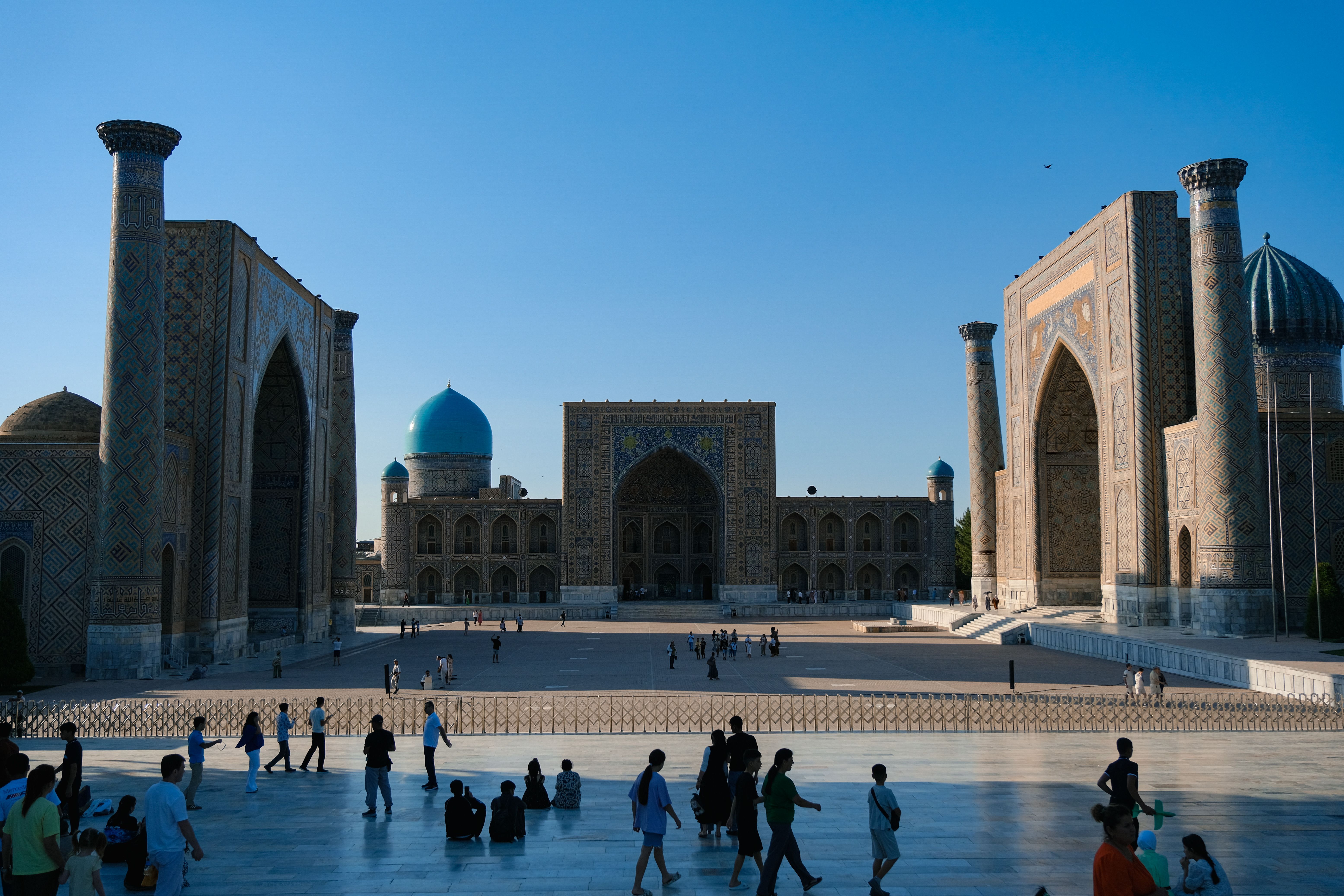
For assistance with recruitment, employment, payroll, EOR services, and HR compliance in Uzbekistan, sailglobal provides comprehensive global workforce management solutions and support.
Disclaimer
The information and opinions provided are for reference only and do not constitute legal, tax, or other professional advice. sailglobal strives to ensure the accuracy and timeliness of the content; however, due to potential changes in industry standards and legal regulations, sailglobal cannot guarantee that the information is always fully up-to-date or accurate. Please carefully evaluate before making any decisions. sailglobal shall not be held liable for any direct or indirect losses arising from the use of this content.

Hire easily in Uzbekistan
Use the employee cost calculator to estimate employer-side totals, management fees, and employment burden by country and salary—run payroll-style numbers before you sign or pay, so global hiring stays predictable.